Roofing and Roof Repairs: A Practical Guide
A practical guide to roofing and roof repairs, signs of damage, costs, and choosing trusted professionals.
Introduction
Roofing is the first line of defense for a home, protecting occupants and valuables from weather. When issues arise, understanding roofing and roof repairs helps homeowners make informed decisions, protect their investment, and avoid costly emergencies. This guide covers essential concepts, common materials, signs of damage, repair options, budgeting tips, and how to work with licensed professionals to meet EEAT standards.
What is Roofing?
Roofing encompasses the structure, materials, and systems that protect a building from the elements. It includes decking, underlayment, flashing, ventilation, and the outer covering such as shingles, tiles, or metal panels. A well-designed roof sheds water efficiently, resists wind uplift, and supports insulation and energy efficiency.
Common Roofing Materials
Choosing the right roofing material depends on climate, style, and budget. The most common options include:
- Asphalt shingles: affordable, versatile, and available in many colors. Typical lifespans range 15–30 years.
- Metal: durable and fire-resistant, with excellent wind performance; lifespan 40–70 years.
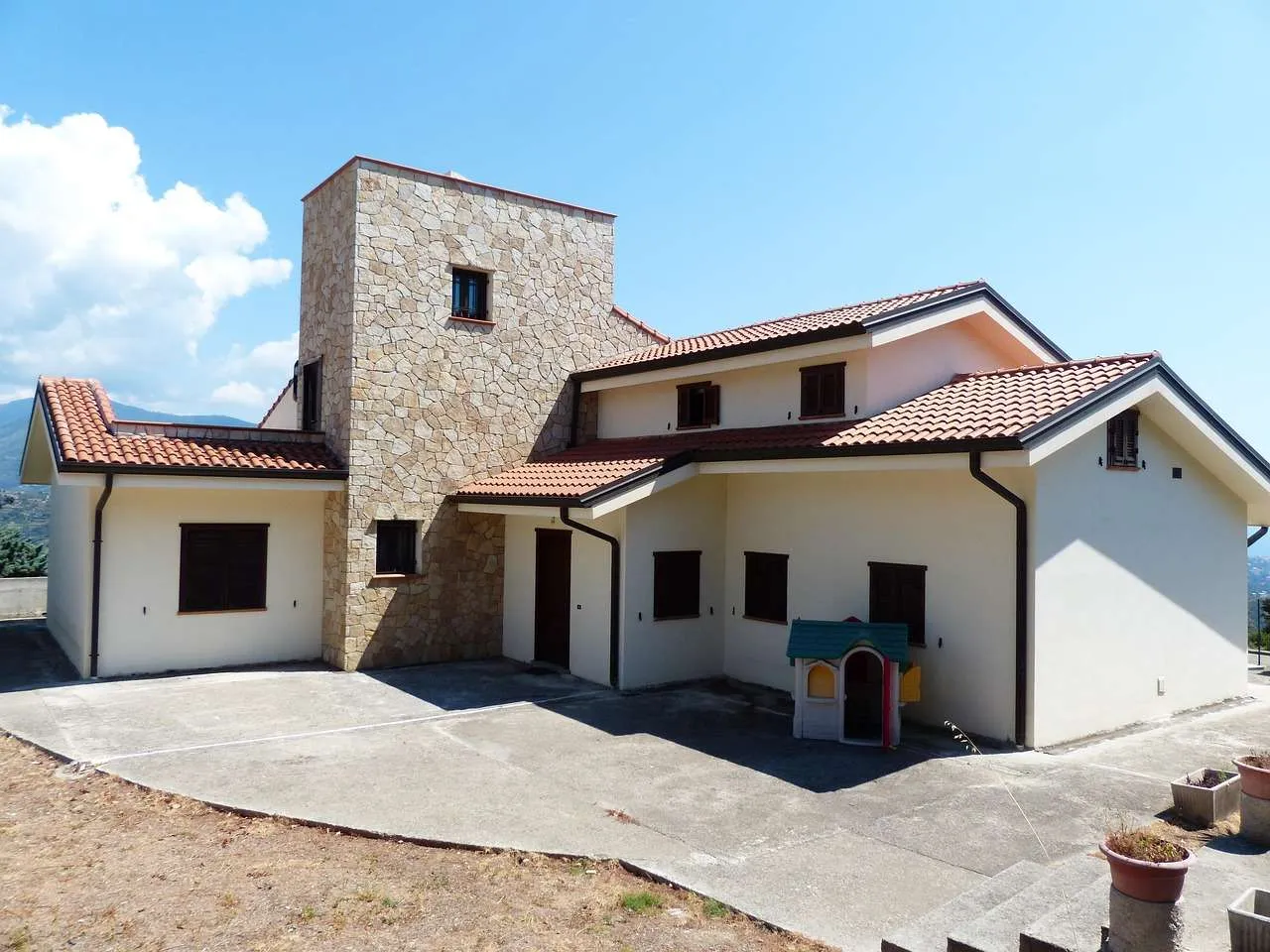
- Clay or concrete tile: attractive in warm climates, heavy, with long lifespans but higher upfront costs.
- Wood shingles/shakes: natural look but susceptible to moisture and fire risk without treatment.
- Flat or low-slope roofing (EPDM, TPO, modified bitumen): common on commercial buildings and some homes; require proper flashing and drainage.
Signs Your Roof Needs Repairs
Early detection helps prevent costly leaks. Look for:
- Missing, curling, or cracked shingles
- Granule loss in gutters or on the ground
- Light shining through attic rafters or damp insulation
- Water stains on ceilings or walls
- Sagging sections or roof deck feel
- Ice dams in winter or persistent dampness after rain
Types of Roof Repairs
Roof repairs vary by severity and material. Common categories include:
Minor repairs
Replacing a handful of shingles, resealing flashing, or patching small leaks. These fixes are usually quick and low cost but may require follow-up if the underlying cause is not addressed.
Major repairs
Extensive flashing replacement, rotten decking, damaged underlayment, or vent system fixes. Major repairs can require permits, additional calculations, and careful scheduling to prevent further damage.
The Repair Process
Professional roof repairs typically follow a clear sequence: inspection, assessment, written estimate, scheduling, teardown protection, repair, and cleanup. Licensed contractors will verify permits if required, address ventilation and insulation considerations, and provide warranties on workmanship and materials.
Costs and Budgeting
Costs depend on material, roof size, extent of damage, and access difficulty. Rough ranges (per project) include:
- Minor repairs: $100–$600
- Moderate repairs: $600–$2,000
- Major repairs: $2,000–$6,000+
Always obtain multiple written estimates and consider long-term value, including potential energy savings, insurance coverage, and warranty terms.
DIY vs Hiring Professionals
Roof work involves fall hazards, electricity, and specialized tools. In most cases, hiring a licensed contractor is safer and ensures compliance with local codes. DIY may void manufacturer warranties and insurance coverage if not performed correctly.
Maintenance and Prevention
Preventive care extends roof life: keep gutters clear, trim branches, maintain attic ventilation, inspect after storms, remove moss and debris, and schedule annual professional inspections. Promptly address small issues before they become leaks.
Choosing a Roofing Contractor
To select a trusted roofer, verify licensing and insurance, review client references, request several written estimates, and confirm warranty terms and project timelines. Check online reviews from reputable sources and ask about crew safety protocols and cleanup standards.
Repair vs Replacement: A Quick Comparison
| Scenario | Repair Pros | Repair Cons | When to Consider Replacement |
|---|---|---|---|
| Damage limited to a small area or a few years of life left | Lower upfront cost, faster fix | May require future patching; patchwork can fail if the roof is aging | Old roof approaching end of life or widespread wear |
| Moderate damage with intact decking | Preserves structure and warranties on remaining material | Recurring leaks possible if underlying issues persist | Roof age 15–25+ years and repeated repairs are needed |
| Extensive damage or rotted decking | Sometimes cost-effective to repair | Labor and material costs rise; risk of new problems | Replacement recommended when more than 30–50% of roof is affected |
Conclusion, a thoughtful approach to roofing and roof repairs balances safety, cost, and long-term value. By understanding materials, recognizing damage early, and working with qualified professionals, homeowners can protect their homes, preserve energy efficiency, and maintain peace of mind.